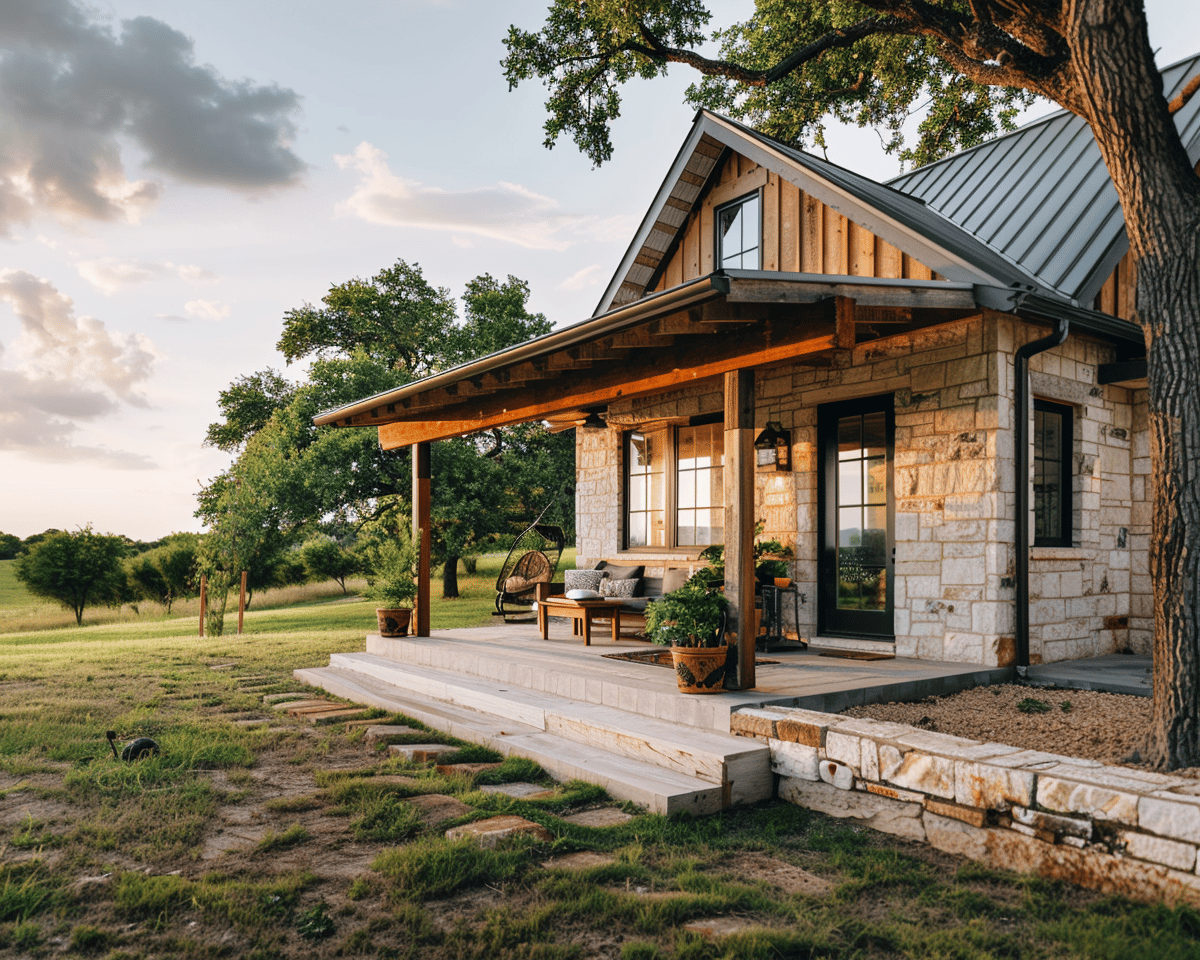
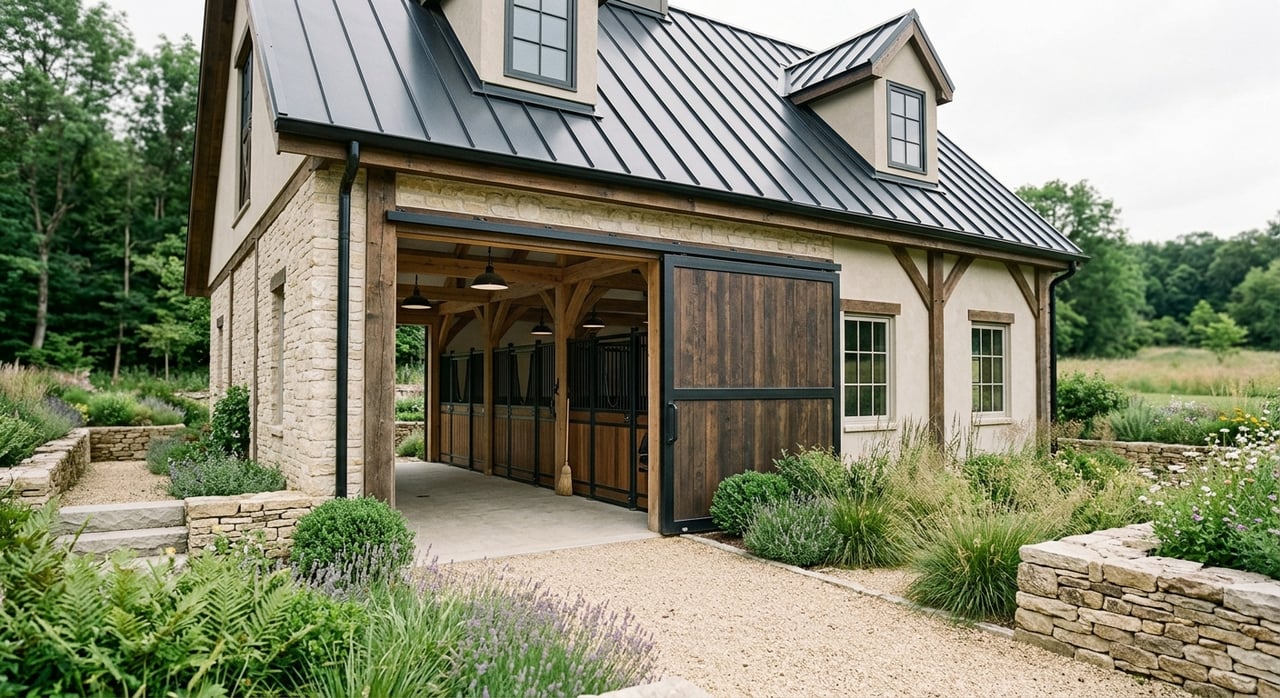
Looking for space in Argyle without giving up convenience or school-zone access? Estate and equestrian properties in Argyle ISD can offer a rare mix of privacy, acreage, and specialized land use, but they also come with details that matter far more than they do in a typical suburban home search. If you want to understand what sets these properties apart, what features are worth paying for, and what to verify before you buy, this guide will help you sort through the landscape with more confidence. Let’s dive in.
Why Argyle ISD Draws Acreage Buyers
Argyle ISD continues to be a major part of the appeal for buyers searching for estate and equestrian homes in the area. The district reports 6,616 students, more than 700 faculty and staff, seven campuses, and a 35-square-mile footprint. For many buyers, that district footprint makes Argyle more than a location choice. It becomes part of the property decision itself.
Just as important, school assignment is not always as simple as a mailing address. Argyle ISD has separate eastern and western secondary zones, along with distinct elementary boundaries. That means two homes that both appear to be in Argyle ISD may not feed into the same middle or high school, so exact address verification matters.
What Estate Properties Look Like
In Argyle ISD, estate properties often start with land, but they are not all the same type of purchase. Some are best described as custom homes on larger lots, while others function more like true rural or equestrian properties. Understanding that difference can save you time and help you focus on homes that fit the way you actually plan to live.
At the smaller end, you will often find one-acre properties that feel more like luxury custom estates than traditional subdivision homes. Recent examples in the market have included large custom homes, pond lots, saltwater pools, oversized garages, and property-specific features like voluntary HOA structures or no city taxes. These homes may give you more elbow room and privacy without necessarily offering horse infrastructure.
Where Equestrian Features Begin
The 2.5- to 5-acre range is often where the conversation shifts from large-lot living to true horse functionality. In this size range, listings have included stables, shops, stocked ponds, indoor arenas, tack rooms, wash racks, hay storage, and barn apartments. That is an important distinction because open acreage alone does not make a property horse-ready.
If horses are part of your plan, you will want to look beyond the acre count. A usable equestrian property may include cross fencing, loafing sheds, dedicated pasture areas, arena space, and support buildings that reduce the need for future improvements. In practical terms, that can mean a very different ownership experience from buying a pretty home on a large lot and trying to add everything later.
What Larger Compounds Can Offer
As acreage increases, the property often becomes more specialized. Recent Argyle ISD examples have included 16-plus-acre equestrian estates with barns, riding arenas, loafing sheds, cross fencing, ponds, and ag exemption language. In the 20-acre range, some properties have gone even further with covered arenas, round pens, hot walkers, multiple pastures, loafing sheds, and large stall counts.
These larger properties tend to attract a narrower buyer pool because they serve a more specific lifestyle. They can offer a compelling blend of residential comfort and land utility, but they should be evaluated more like specialty assets than standard suburban homes. The value is often tied not just to the house, but to how well the land and improvements support the intended use.
Why Inventory Feels So Tight
One reason these homes get so much attention is simple: there are not many of them. Public listing snapshots show very limited acreage inventory in Argyle at any given time. At capture time, public filters showed only two homes with a 1-acre filter and five homes with a 2-acre filter.
That thin supply helps explain why estate and equestrian listings often behave differently from mainstream homes. When inventory is limited and features are highly specific, buyers may wait longer for the right match while sellers of well-positioned properties can benefit from rarity. In a market like this, patience and timing both matter.
How These Properties Behave in the Market
Argyle’s broader housing market remains active, with a median sale price of $704,578 and an average of 47 days on market over the three months ending May 2026. But acreage properties should not be viewed exactly the same way as a conventional home in a neighborhood setting. The Texas Real Estate Research Center treats rural land as a separate asset class, which is a useful lens when you are evaluating estate and equestrian opportunities.
That difference matters because two homes with similar square footage can perform very differently if one includes a barn, pasture, pond, or more flexible land use. The buyer pool for a specialty property is usually smaller, and the features that drive value are often more nuanced. A beautiful home may be appealing, but a functional barn setup, usable fencing, and land quality can carry real weight in pricing.
The same research also notes that statewide nominal rural land prices reached $5,214 per acre at the end of 2025, up 6.6% year over year, while sales rose 8.2%. At the same time, market activity remained below 2019 levels, and properties without superior quality or prime location tended to take longer to sell. For buyers and sellers alike, that reinforces the need to look closely at each parcel rather than relying on broad averages.
Key Features To Evaluate Carefully
When you tour estate and equestrian properties in Argyle ISD, it helps to separate cosmetic appeal from functional value. Many homes in this segment offer impressive finishes, but the land improvements often determine whether the property truly fits your goals.
Here are some of the features that show up repeatedly in current and recent Argyle-area listings:
- Custom homes with offices, game rooms, guest quarters, and substantial storage
- Barns ranging from 4 to 29 stalls
- Tack rooms, wash racks, and hay storage
- Cross-fenced pasture and loafing sheds
- Covered, indoor, or lit riding arenas
- Barn apartments, workshops, and larger shops
- Ponds, pools, spas, fire pits, gated entries, and RV storage
A property with several of these elements already in place may offer stronger long-term utility than one with similar acreage but limited infrastructure. The key is making sure the improvements match how you want to use the land.
Verify School Zones By Exact Address
For many buyers, Argyle ISD is one of the top reasons to focus on this area. That is why school-zone verification should happen early in the process, not after you are already emotionally attached to a home. The district’s boundary information shows separate elementary zones and separate east and west secondary zones.
In other words, a home that is broadly described as being in Argyle ISD still needs exact address confirmation for campus assignment. This is especially important with acreage properties, where parcels can sit near boundary lines or in less uniform development patterns. A precise check can prevent surprises later.
Check City Limits And Restrictions
Another major issue with Argyle acreage is jurisdiction. Some parcels are inside Argyle city limits, some are outside city limits, and others may be subject to different local conditions. That difference can affect taxes, development standards, and what you can realistically do with the property.
The Town of Argyle maintains ordinances and development standards online, which makes property-by-property verification essential. You will also want to confirm whether deed restrictions or HOA rules apply. Listings sometimes advertise benefits like no city taxes or no city and deed restrictions, but those points are specific to individual properties and should never be assumed across the board.
Understand Agricultural Appraisal Issues
If you are considering acreage in Argyle, tax treatment can be a meaningful part of the decision. The Texas Comptroller says qualifying agricultural land is appraised on productivity value rather than market value, which is usually lower. That can make a noticeable difference in carrying costs for some parcels.
At the same time, buyers need to understand the risk if land use changes. According to the Comptroller, a switch to nonagricultural use can trigger rollback taxes for the prior three years. The Comptroller also notes that land inside an incorporated city or town may face additional qualification criteria, which is another reason city-limits status matters.
How To Tell If A Property Fits
The best Argyle ISD estate and equestrian properties tend to blend three things well: school-zone access, privacy, and useful land improvements. That does not mean every buyer needs a full horse setup or a large compound. It simply means the right property should align with how you plan to use the land, what level of upkeep you want, and which location details matter most to you.
As you narrow your search, focus on the essentials first:
- Confirm the exact Argyle ISD attendance zone
- Separate large-lot homes from true horse-ready properties
- Verify city limits, deed restrictions, and HOA rules
- Ask whether agricultural appraisal applies and what could change it
- Evaluate whether the land improvements add real function or just visual appeal
In a thin-inventory market, clear priorities can help you move faster when the right property appears. They can also help you avoid overpaying for features you do not need or missing important details that affect long-term value.
Whether you are buying a one-acre custom estate or preparing to sell a larger equestrian property, local guidance matters in a niche segment like this. The North Texas Team brings hyperlocal Argyle insight and a white-glove approach to complex acreage, estate, and equestrian transactions, so you can make your next move with more clarity and confidence.
FAQs
What makes an Argyle ISD estate property different from a standard home?
- An Argyle ISD estate property usually combines a larger homesite, a custom home, and added privacy, while some also include specialized land features like ponds, shops, barns, or guest quarters.
What should you verify about Argyle ISD school zoning before buying?
- You should verify the exact attendance zone by property address because Argyle ISD has separate elementary boundaries and separate east and west middle and high school zones.
What makes an Argyle horse property truly horse-ready?
- A horse-ready property typically offers more than open land and may include features like barns, stalls, tack rooms, wash racks, hay storage, cross fencing, pasture areas, or arena space.
Why is acreage inventory in Argyle often limited?
- Public listing snapshots showed very few homes in Argyle with 1-acre and 2-acre filters, which suggests estate and equestrian inventory is much thinner than standard suburban inventory.
Why do Argyle equestrian properties sell differently from traditional homes?
- These properties often appeal to a narrower buyer pool and their value can depend heavily on land utility, barn infrastructure, pasture setup, and property-specific features rather than house size alone.
What tax issue should buyers watch for with Argyle acreage?
- If land has qualifying agricultural appraisal, it may be taxed based on productivity value, but a change to nonagricultural use can trigger rollback taxes for the prior three years under Texas Comptroller guidance.
Why do city limits matter for estate and equestrian properties in Argyle?
- City-limits status can affect development standards, restrictions, taxes, and agricultural appraisal qualification, so it is important to verify jurisdiction for each parcel individually.