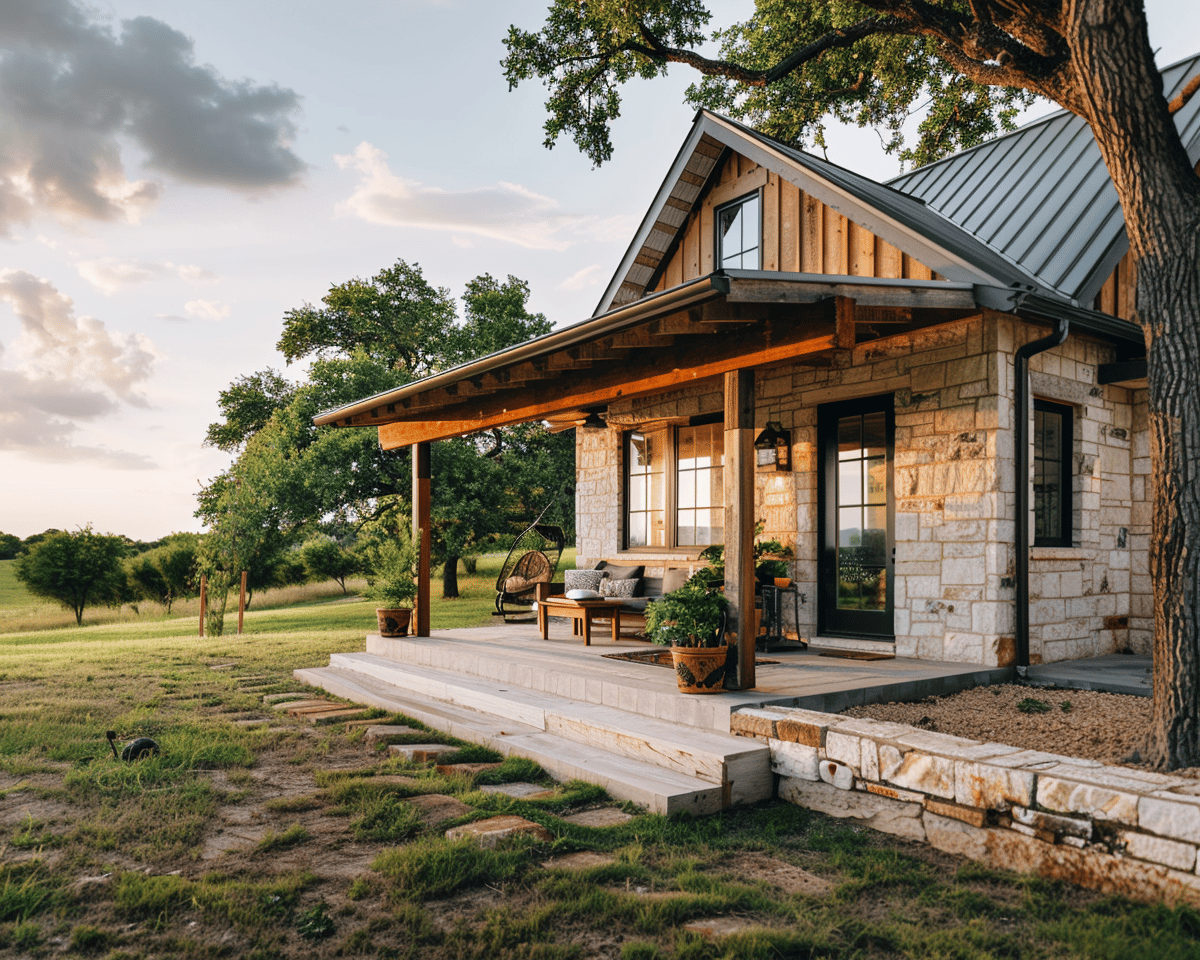
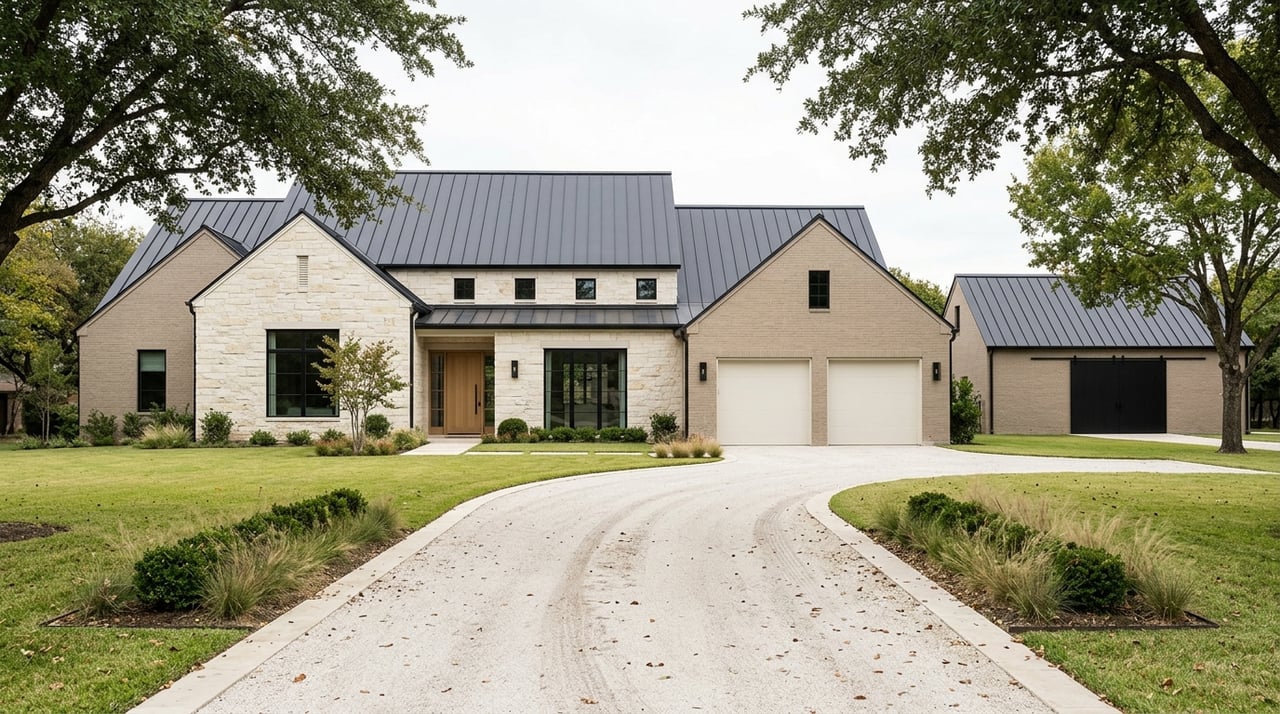
If you are dreaming about a custom home on acreage in Bartonville, the land itself can shape almost every decision you make. A beautiful tract may still come with zoning limits, permit steps, septic requirements, and site-planning details that affect what you can build and when you can start. The good news is that with the right planning, you can move forward with more clarity and fewer surprises. Let’s dive in.
Why Bartonville acreage planning matters
Bartonville is an acreage-oriented market in north Denton County, and that is a big part of its appeal. It also means custom builds often involve more moving parts than a typical neighborhood lot.
The town’s zoning map includes AG with minimum 10-acre lots, RE-5 with 5-acre lots, RE-2 with 2-acre lots, and R-1 with a minimum 1-acre lot. Because lot size, use, and layout can vary so much, zoning and permit review are central to the process.
Bartonville’s current construction code set became effective April 15, 2025. For new custom builds, that means your plans should align with the town’s current code requirements from the start.
Start with the lot first
Before you spend money on plans, focus on whether the lot can support the home and features you want. In Bartonville, that first step is not just about appearance or acreage. It is about feasibility.
Confirm the property jurisdiction
One of the first questions to answer is whether the tract is inside Bartonville town limits, in Bartonville’s ETJ, or in unincorporated Denton County. The permit authority can change depending on where the property sits.
That matters because Bartonville has its own review and permit process, while Denton County states that development permits are required for improvements in unincorporated county areas. If you assume the wrong authority governs the property, your timeline can get off track quickly.
Review zoning before design work
Bartonville requires a General Site Plan for development in AG, RE-5, RE-2, R-1, and several other zoning districts. Depending on the project, the process can include a pre-application conference, Planning and Zoning Commission review, and Town Council action before construction can proceed.
This is why it helps to review zoning early, not after your architect has drawn a full custom plan. A home that looks perfect on paper may need changes if setbacks, access, or accessory structures do not align with the zoning rules for that tract.
Study the homesite layout
Bartonville’s residential permit checklist requires site-plan details such as the legal description, property lines, existing buildings, easements, and approved setbacks. Those items can directly affect where the home, driveway, septic area, and outdoor improvements can go.
On acreage, the best build site is not always the most obvious one. A strong layout balances privacy, access, drainage, utility planning, and room for future improvements.
Plan estate features early
Many Bartonville buyers are not just building a house. They are planning a full estate property with a barn, workshop, pool, fencing, long driveway, or equestrian amenities.
That broader vision needs to be discussed early because some of those features can trigger separate review or permits. In Bartonville, barns are included in the zoning definitions as residential accessory buildings, and the site-plan rules specifically mention private amenities or facilities such as a horse stable.
Barns, stables, and accessory buildings
If you want a barn, stable, or detached shop, it is smart to plan that at the same time as the house. Even if you build it later, it can affect your site plan, access points, setbacks, drainage, and utility layout.
Bartonville’s FAQ also states that permits are required for accessory buildings, driveways, fences, pools, water wells, and propane tanks, along with new home construction. In other words, acreage improvements are rarely an afterthought from a permitting standpoint.
What if your design does not fit?
Some custom acreage layouts are straightforward, and some are not. If a proposed design does not fit base zoning standards, Bartonville’s Board of Adjustment can hear special exceptions and variance requests when strict enforcement would create unnecessary hardship.
That can create a path forward in certain situations, but it is not automatic. It is better to treat unusual layouts as a possibility that needs professional review, not a guaranteed workaround.
Understand the permit timeline
A custom build timeline in Bartonville is often driven by documentation. The town’s new residential checklist is detailed, and incomplete packets can be rejected.
That means permit prep should begin much earlier than many buyers expect. Waiting until the builder is ready to break ground can create delays.
What Bartonville may require
For a new residential build, Bartonville’s checklist can include:
- Contractor registration
- A site plan
- Building plans
- Engineered foundation plans
- Wind-bracing plans
- A grading and drainage plan
- Driveway and culvert engineering
- Septic documents
- Irrigation and backflow information
- A sprinkler plan for homes with 5,000 square feet or more under roof
- An SWPPP for all property sizes of 1 acre or more
That list shows why acreage builds require coordination across multiple professionals. The home itself is only one part of the approval process.
Construction cannot start early
Bartonville’s FAQ is clear that work cannot begin until the permit is approved. This is especially important for buyers who plan to phase improvements or start with site work first.
If your vision includes a house, driveway, barn, fencing, irrigation, or a well, it is wise to confirm the approval path for each item before any work begins. That step can save both time and money.
Contractor registration matters too
The town also requires contractors and subcontractors to be registered before permit approval. For a custom build, that usually means your builder and trade partners need to be organized before the full submittal package goes in.
This is one more reason to assemble your team early. A strong plan on paper still needs a properly coordinated team behind it.
Septic, water, and drainage can shape the project
On acreage lots, utility planning is often one of the biggest feasibility issues. In Bartonville, septic, water service, irrigation, and drainage all deserve early attention.
Septic is often a major decision point
Bartonville follows state laws on on-site wastewater systems and has also adopted its own local ordinance. The town’s 2025 OSSF application requires town forms, a designer’s technical sheet, and supporting documents before approval.
For aerobic systems, the application also requires an initial two-year service contract and a recorded affidavit filed with the Denton County Clerk. The OSSF packet also calls for site evaluation and planning materials that identify wells, easements, bodies of water, and building locations.
Because septic design affects where you can place the home and other improvements, it should be part of the earliest planning conversations. It is not something to leave until final permit review.
Water service should be verified early
Water service is not uniform from tract to tract in Bartonville. Cross Timbers Water Supply Corporation states that its territory covers about 20 square miles in south-central Denton County and provides water service to most areas in Bartonville.
Still, “most areas” does not mean every property is the same. You should verify service availability for the specific tract early in the process, along with any related requirements such as backflow inspection.
Outdoor infrastructure needs design time
Outdoor improvements can have real engineering implications on acreage. Bartonville requires a stamped irrigation plan and backflow certification before inspection, and the residential checklist requires engineered driveway-approach and drainage-culvert plans with RCP culverts specified.
If you are planning a pool, drive court, landscape irrigation, or extensive hardscape, bring those ideas into the design process before the house plan is finalized. That helps avoid redesigns later.
If the tract is in county jurisdiction
Some acreage properties connected to the Bartonville area may fall under county jurisdiction rather than town jurisdiction. If that happens, Denton County states that a development permit may be required for any improvement, and separate culvert, floodplain, and septic permits may also apply.
This is another reason jurisdiction should be confirmed at the beginning, not halfway through planning. A tract’s location can determine which rules, applications, and review steps apply.
Build your team before you build the house
A custom acreage project in Bartonville usually involves more than a buyer and a builder. Because the process can include zoning review, site-plan approval, engineering, septic design, drainage, and utility coordination, it makes sense to assemble your full team early.
That team may include your real estate advisor, builder, architect, civil engineer or surveyor, septic professional, and lender. When everyone is aligned up front, it is easier to evaluate feasibility before you commit to expensive design decisions.
Financing should start early too
For many buyers, financing for a custom build looks different from financing for a resale home. A construction loan is usually a short-term loan that covers the cost of building or rehabilitating a home, and construction-to-permanent options can be structured as either a single-closing or two-closing transaction.
Because timelines can depend on approvals and documentation, it helps to discuss financing early in the process. That way, your lending strategy can match the pace and structure of your build.
A smart Bartonville build starts with clarity
Planning a custom build on acreage in Bartonville can be exciting, but it works best when you approach it as a land, design, and approval strategy all at once. The lot, jurisdiction, zoning, utilities, and estate features all affect what is possible.
When you understand those variables early, you can protect your budget, reduce delays, and make better decisions about the property itself. If you want experienced local guidance on acreage, custom homes, and estate-style properties in Denton County, connect with the North Texas Team for a concierge-level conversation.
FAQs
What zoning districts are common for acreage in Bartonville?
- Bartonville’s zoning map includes AG, RE-5, RE-2, and R-1, with minimum lot sizes ranging from 10 acres in AG to 1 acre in R-1.
Do you need a site plan for a custom home in Bartonville?
- Yes. Bartonville requires a General Site Plan for development in AG, RE-5, RE-2, R-1, and several other zoning districts.
Can you build a barn or horse stable on acreage in Bartonville?
- Bartonville’s zoning definitions include barns as residential accessory buildings, and its site-plan rules specifically mention a horse stable as a private amenity or facility.
When can construction start on a custom build in Bartonville?
- Bartonville states that work may begin only after the approved building permit is received.
Does a Bartonville acreage property need septic approval?
- If the property will use an on-site wastewater system, Bartonville requires an OSSF permit application and supporting documents before approval.
Do outdoor features on Bartonville acreage need permits or engineering?
- In many cases, yes. Bartonville requires permits for items such as pools, fences, driveways, wells, propane tanks, and accessory buildings, and it also requires certain engineered plans for drainage, driveways, culverts, irrigation, and backflow.
What if a Bartonville custom home design does not meet setback rules?
- A variance or special exception may be possible through the Board of Adjustment in certain cases, but approval is not guaranteed.
Why does jurisdiction matter for acreage near Bartonville?
- The permit authority can change depending on whether the property is inside Bartonville, in the ETJ, or in unincorporated Denton County, and that can affect which approvals and permits are required.