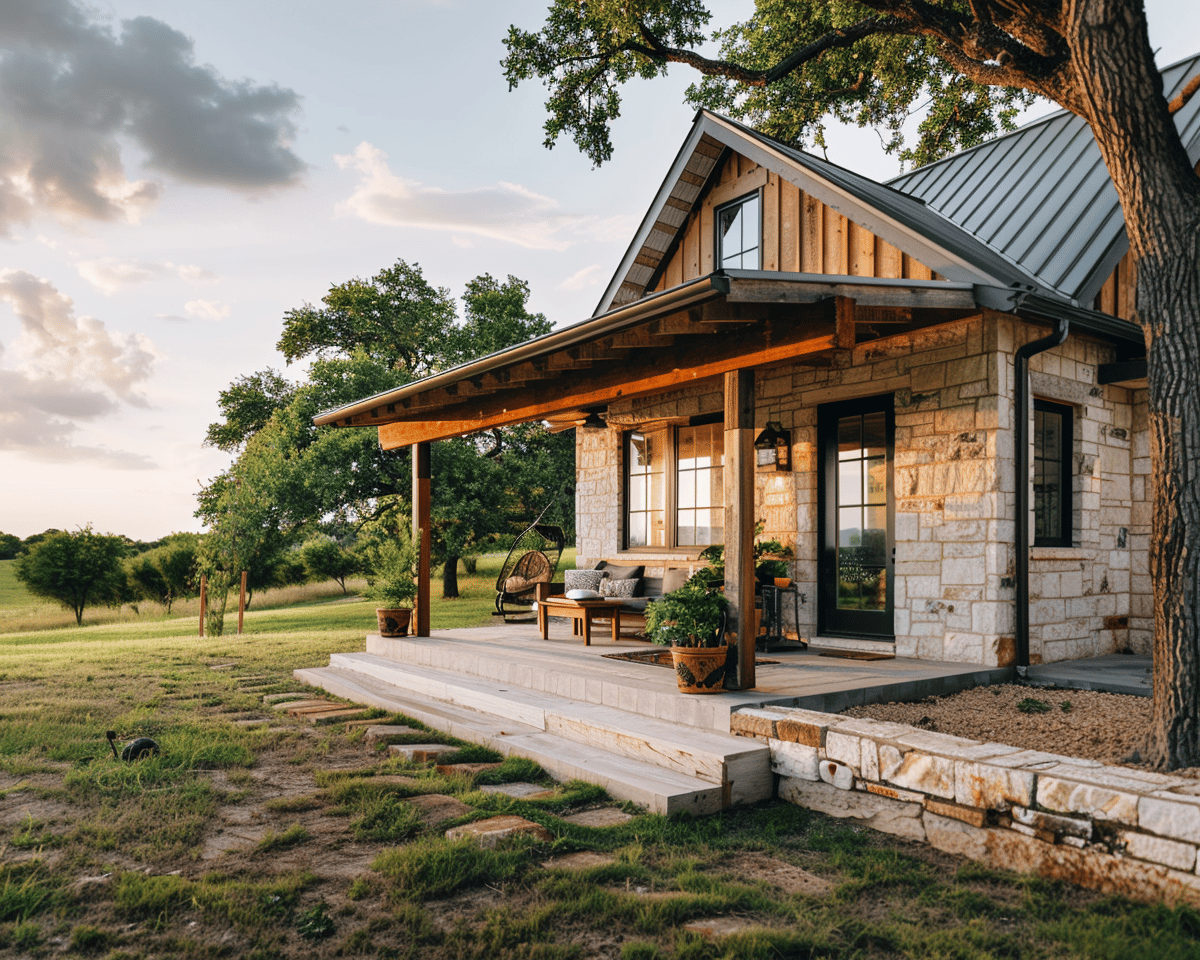
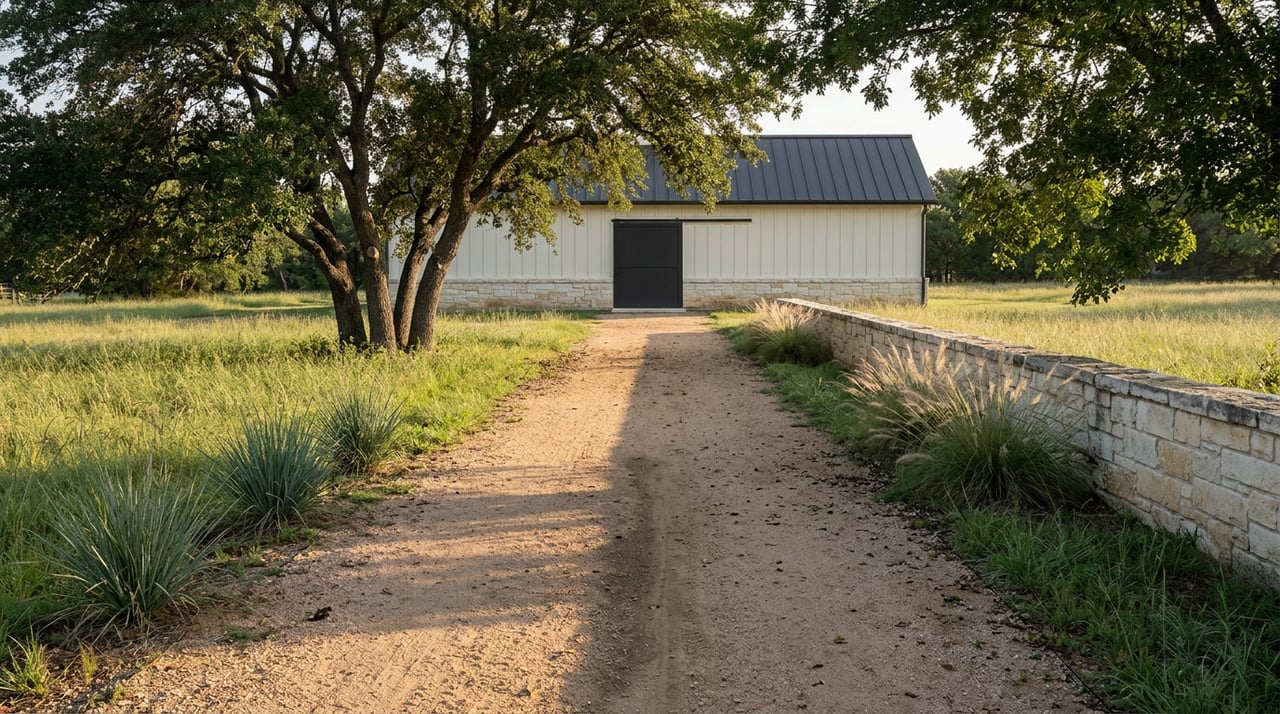
Before most of Bartonville has poured its coffee, the two barns at Saddlebrook Equestrian Center are already working. Stalls get mucked, water buckets get topped off, and horses get turned out into paddocks while the rest of the neighborhood is still parking cars in driveways after the school run. The center runs a live-in staff, on the property around the clock, which means the rhythm here starts earlier and moves on a different clock than the subdivision around it.
That detail matters more than it sounds like it should, because it points to something people get wrong about Saddlebrook before they ever set foot on Saddlebrook Way. The word "equestrian community" gets used loosely across North Texas, often to describe a subdivision with a pasture view or a horse-friendly HOA covenant. Saddlebrook is a different animal. It has an actual working barn embedded in its 80 or so homes, and that barn is deliberately built for adults, not for the pony-camp crowd. Understanding that one distinction explains almost everything else about how the neighborhood functions day to day.
Not a Lesson Barn, and That's the Point
Saddlebrook Equestrian Center, at 1270 Saddlebrook Way, states plainly that it is an adult-based barn. Children are welcome, but the facility isn't structured around kids' lesson programs the way many suburban barns are. That choice shapes the traffic pattern around the property. There's no fleet of minivans idling for a 4 p.m. beginner lesson block, no birthday-party bookings, no summer camp buses. What you get instead is a boarder population made up largely of adult riders managing their own horses on their own schedules, which spreads activity across the day rather than concentrating it into predictable after-school windows.
For residents who don't ride, this is the part that's easy to miss and worth knowing. The barn's rhythm doesn't create the kind of surge traffic a lesson-heavy or camp-heavy facility would. Whatever hoofbeats and horse trailers you notice on Saddlebrook Way are more likely to be a single boarder heading out for a mid-morning ride than a scheduled group event.
Two Barns, Nineteen Stalls Each
The facility itself sits on just over 20 acres and is built as two mirror-image structures, each holding 19 stalls, for 38 total. Each barn has its own restrooms, tack room, grooming stalls, heated water wash racks, and feed room, which is a level of duplicated infrastructure you don't see at smaller backyard-style boarding setups. A few other specifics worth knowing if you're trying to picture how the place actually operates:
- Each boarder gets a private walk-in tack locker, roughly 4 feet by 6 feet, rather than a shared shed or a single communal tack room.
- Stalls are cleaned three to five times a day, not once in the morning and forgotten.
- The training footing in the indoor arena, outdoor arena, and covered round pen is Attwood Equestrian footing, the same category of surface used at higher-end competition facilities, chosen specifically to reduce concussion and wear on horses working multiple disciplines.
- The barn boards horses across disciplines and life stages, including retired horses and pasture pets, not just competition mounts.
That last point matters for understanding who actually lives at Saddlebrook alongside its human residents. This isn't a facility built exclusively for show horses in active competition. It's built to hold a mixed population, which is part of why the barn doesn't empty out during a slow show season the way a strictly competitive operation might.
Three Trainers, Three Different Disciplines
Saddlebrook doesn't run on a single head trainer model. Three resident trainers operate out of the facility, each with a distinct specialty, and boarders book directly with whichever one matches their discipline.
Paige is the facility's USDF Gold, Silver, and Bronze medal dressage trainer, a credential that reflects years of tested performance at increasingly difficult levels of dressage competition. Laura works as the resident hunter and jumper coach. Rachel serves as a second resident dressage trainer and coach. Having three specialists under one roof, rather than one generalist trying to cover every discipline, is part of what allows the barn to serve adult riders with genuinely different goals, from someone polishing a dressage test to someone schooling over fences, without anyone's training getting watered down to fit a one-size-fits-all lesson plan.
If you've ever driven past and noticed a rider working methodical figures in the outdoor arena on one afternoon and a horse popping over rails the next, that's not a coincidence. It's three separate training practices running in parallel inside the same 20 acres.
The Trails You Won't Find on a Public Map
The other piece of Saddlebrook's identity that doesn't show up in a quick drive-through is its trail system. The community maintains private, dedicated equestrian trails that wind through Saddlebrook Estates itself, available to boarders and residents rather than the general public. These aren't repurposed sidewalks or a shared multi-use path bordering a greenbelt. They're routes built into the neighborhood's layout specifically for horse and rider, threading between the 2 to 5.5 acre lots that make up the subdivision.
That detail is part of why comparing Saddlebrook to a neighborhood with a scenic greenbelt trail or a golf-cart path misses the point. A greenbelt trail is open to anyone who parks nearby. Saddlebrook's trail network exists because the barn exists, and its primary users are the same people mucking stalls at 7 a.m. and riding dressage tests with Paige or Rachel that afternoon. The trail system and the barn aren't two separate amenities. They're one continuous piece of infrastructure that happens to run through people's backyards.
What This Means If You're Not the One Riding
Most Saddlebrook residents are not boarding a horse. But the presence of a working adult barn with round-the-clock staff, three independent training practices, and a private trail network still shapes the neighborhood they live in, even from a distance.
It means the property lots are sized the way they are, 2 to 5.5 acres, in part because the community was platted around equestrian use from the start rather than retrofitted for it later. It means the low-key architecture of daily life here, quiet mornings, staggered activity through the day, no bell-schedule surge of camp traffic, traces back to a barn that made a specific choice not to chase the family lesson-camp market. And it means that if you ever do decide you want a horse on your own property, the infrastructure to support that decision, arenas, trainers, feed programs, and trails, is already built and staffed, sitting in the middle of the subdivision rather than a 30-minute drive away.
Saddlebrook gets described in real estate listings as an equestrian community often enough that the phrase can start to sound generic. The barn at its center is the reason it isn't. Two mirror barns, 38 stalls, three specialized trainers, and a resident population of horses that includes working show mounts and retired pasture pets, all running on an adult schedule rather than a school one, is a specific operation, not a marketing line.
If you're already living here, that's just Tuesday. If you're weighing whether a place like this fits how you actually want to live, from the pace of the mornings to the question of what kind of lot and what kind of amenities matter most to you, that's the kind of on-the-ground detail worth talking through with someone who knows this specific stretch of Argyle ISD and not just the general category of North Texas acreage. You can see how Saddlebrook fits into the wider Saddlebrook neighborhood guide, and if the conversation moves from curiosity to a real plan, the team at North Texas Team is set up to walk through it in detail. Schedule a Concierge Consultation whenever you're ready to talk specifics.